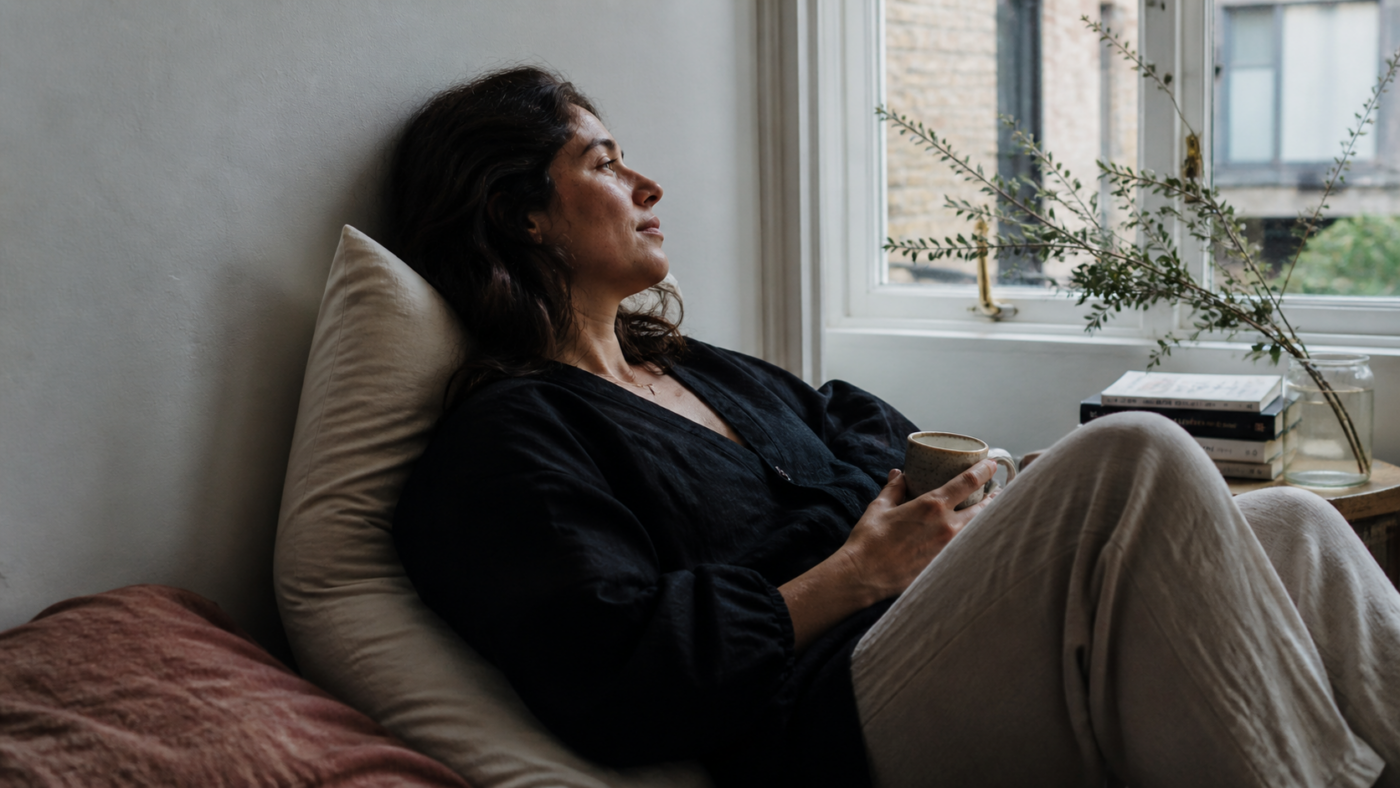
REST
Not the absence of doing.
The presence of something else entirely.

Not the absence of doing.
The presence of something else entirely.
THE ART OF ACTIVE REST
We have a complicated relationship with rest.
Most of us know we need it. Many of us feel guilty the moment we stop. And most of the ways we actually stop – the television, the scroll, the glass of wine at the end of a long day – are not rest at all. They are numbing. Which is understandable. But they are not the same thing.
Real rest is not the reward you receive after you have earned it. It is not a holiday where your body travels but your nervous system stays on high alert. It is not collapsing into sleep from sheer exhaustion, only to wake up already braced for the next day.
Real rest is active. It is entered, not fallen into. It asks something quiet of you – not effort, but attention.
And it is not a luxury. It is how your body repairs itself. How your cells regenerate. How your nervous system finds its way back from the vigilance it has been holding, sometimes for years.
The question is not whether you have time for rest. The question is whether what you have been calling rest is actually doing what rest is supposed to do.
the body’s repair state
Your nervous system has two primary modes. The sympathetic — activation, urgency, the readiness to respond to threat. And the parasympathetic — rest, repair, restoration.
The parasympathetic system does not merely pause the body during rest. It repairs it. Cells regenerate. Inflammation reduces. The immune system does its quietest, most essential work. Digestion, hormonal regulation, memory consolidation — these processes happen here.
But the parasympathetic system does not respond to the absence of demand. It responds to the presence of safety. These are not the same thing.
You can stop working and still not be in your parasympathetic nervous system. Your body can be still while your nervous system remains braced. Switching off the television does not automatically create the conditions the body needs to repair.
Something else is required. A signal. A genuine shift in state.
That is what active rest is for.
Rest is not the absence of activity. The parasympathetic nervous system does not switch on just because you stop. It responds to the presence of safety – and those are two different things.
Sharyn covers the distinction between collapse and replenishment, the window of tolerance, eustress, and why birdsong is medicine. She ends with the tree in wind: not rigid, not snapping – bending and returning. Deep roots. Strong trunk.
13 Minutes 36 Seconds
The practice begins by inviting awareness into the body: noticing sensations, movements, and the state of the mind. From there, attention gently returns to the natural rhythm of breathing – observing the inhale and exhale exactly as they are, without judgement.
10 Minutes 42 Seconds
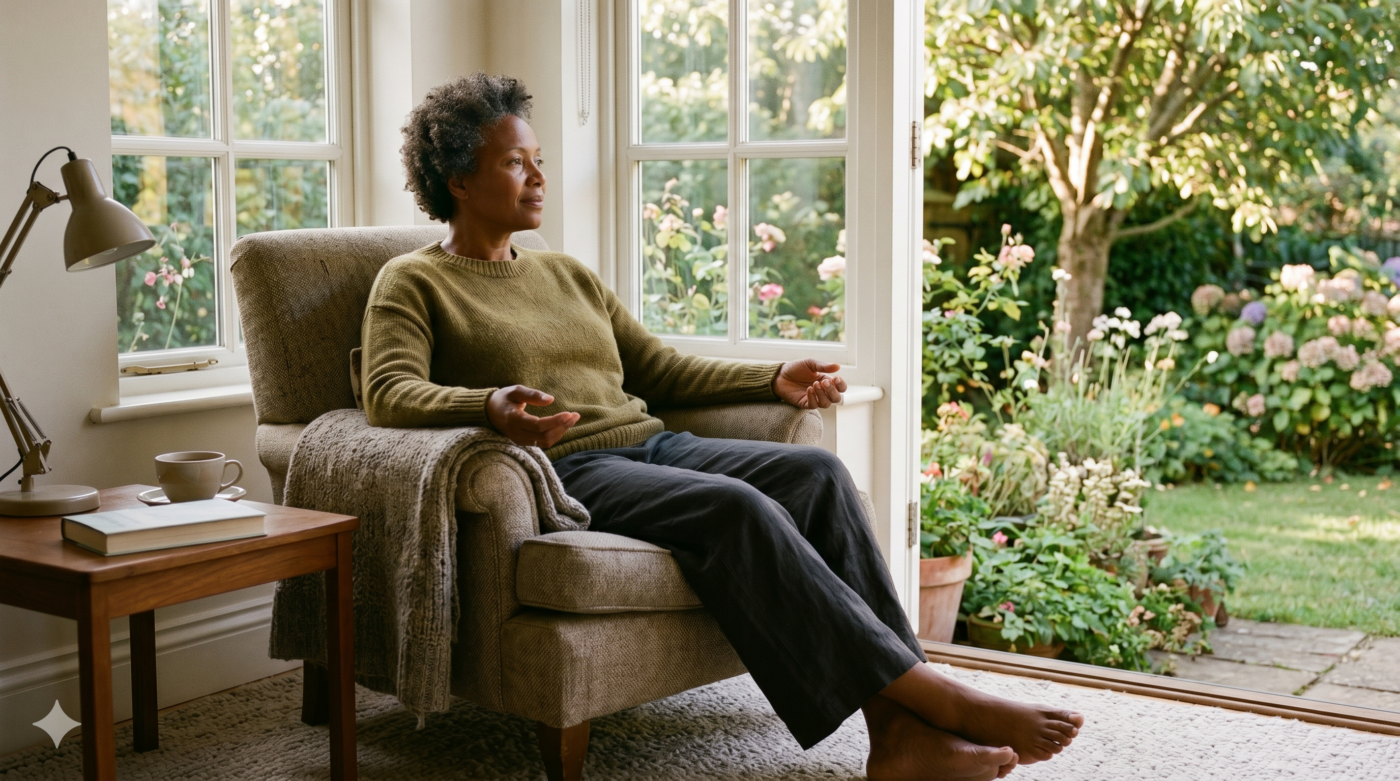
Collapse is what happens when the body forces a stop. You have run past your resources, and something gives way. The tiredness is thick. You sleep without recovering. You rest without replenishing. You come back to the week feeling like the week never really ended.
Replenishment is something different. It is consciously entered. Your body is not forced to stop – it is invited to soften. The nervous system receives a signal it recognises as safe, and it begins to do what it was always designed to do.
You rise from genuine rest differently. Something has been tended.
The distinction is not about duration. It is about state. Ten minutes of active rest – breath-led, attended, unhurried – can do more for the nervous system than a weekend away spent checking emails after dark.
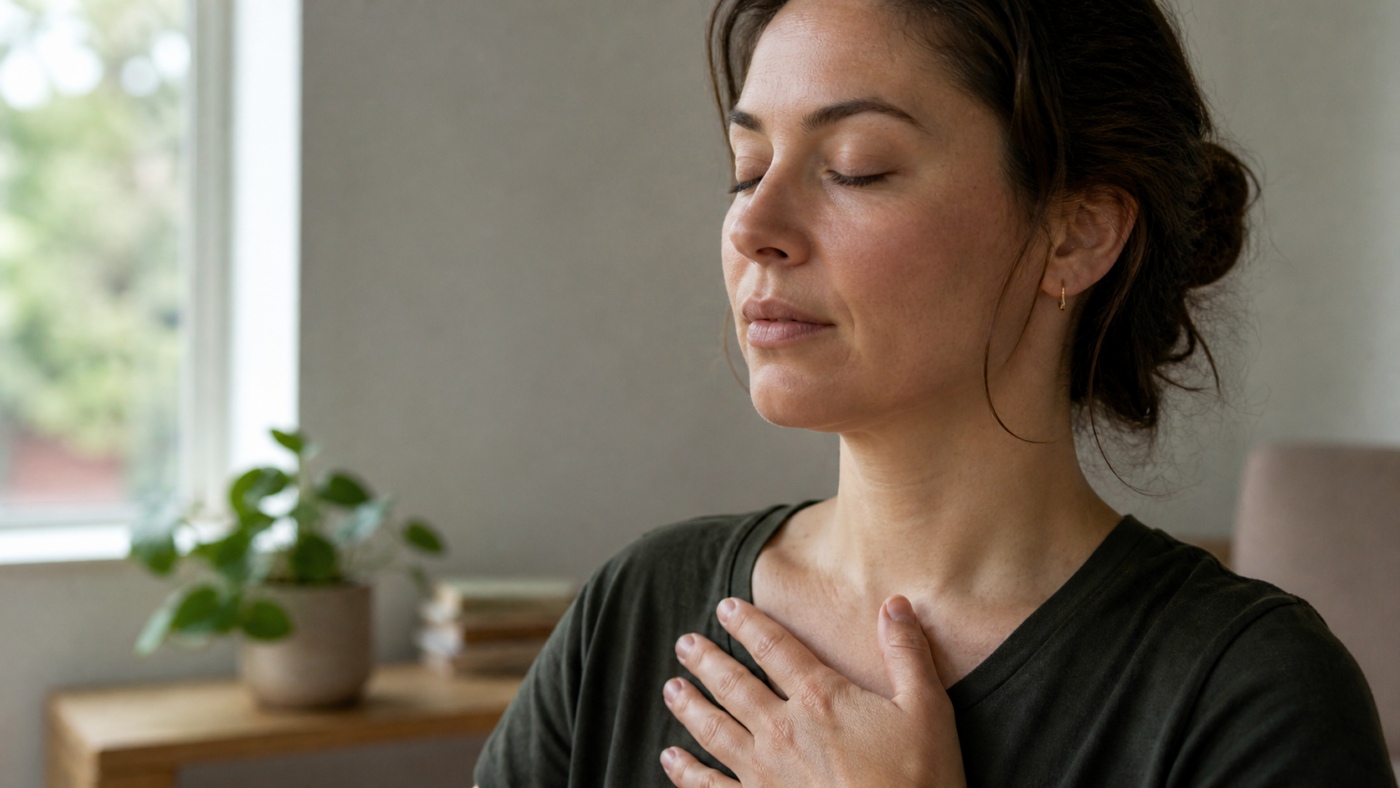
The nervous system is not easy to reach consciously. Most of what it does is automatic – heart rate, digestion, the quiet hum of regulation that runs beneath everything. You cannot decide your way into the parasympathetic system.
But breath sits at the exact intersection of the automatic and the conscious. It is the one function the body does on its own that you can also choose to alter. Every deliberate breath is a direct reach into the autonomic nervous system.
A slower exhale. A gentler rhythm. A signal that says: it is safe to soften now.
This is why breath is the way into rest that most other routes cannot offer. Not because it is mystical. Because of how the body is built.
Every review is a gift, and we thank all our clients, past and present who have taken the time to share their experience. You can leave your review HERE
If this is landing somewhere familiar, the Rest videos are a good place to begin.
They are short. Unhurried. Designed for the nervous system that has been working hard and is ready to do something about it.
No experience needed. No preparation required.
Just find one that feels like what your body needs today.
Or if you would like to breathe with us live, the Midweek Exhale is free, every Wednesday, 7:30pm UK.