BREATHWORK TECHNIQUES
A plain English guide to the breath forms used
in conscious breathwork practice. What each one does,
when it is used, and what the body tends to find in it.

A plain English guide to the breath forms used
in conscious breathwork practice. What each one does,
when it is used, and what the body tends to find in it.
What differs is how each technique uses it —
what it asks the breath to do, what part of the
nervous system it addresses, and what quality of
inner territory it opens.
At The Exhale Awakening, a small family of breath forms
appears across every session. They are not complicated.
However, knowing what each one is — and why it is being
used at a particular moment — changes the experience
of doing it.
This guide covers the techniques used in TEA sessions:
the four elemental breath forms, the settling practices,
and the awareness practices. Each description includes
the mechanics, the associated quality, and when you are
most likely to encounter it.

each one opens different territory
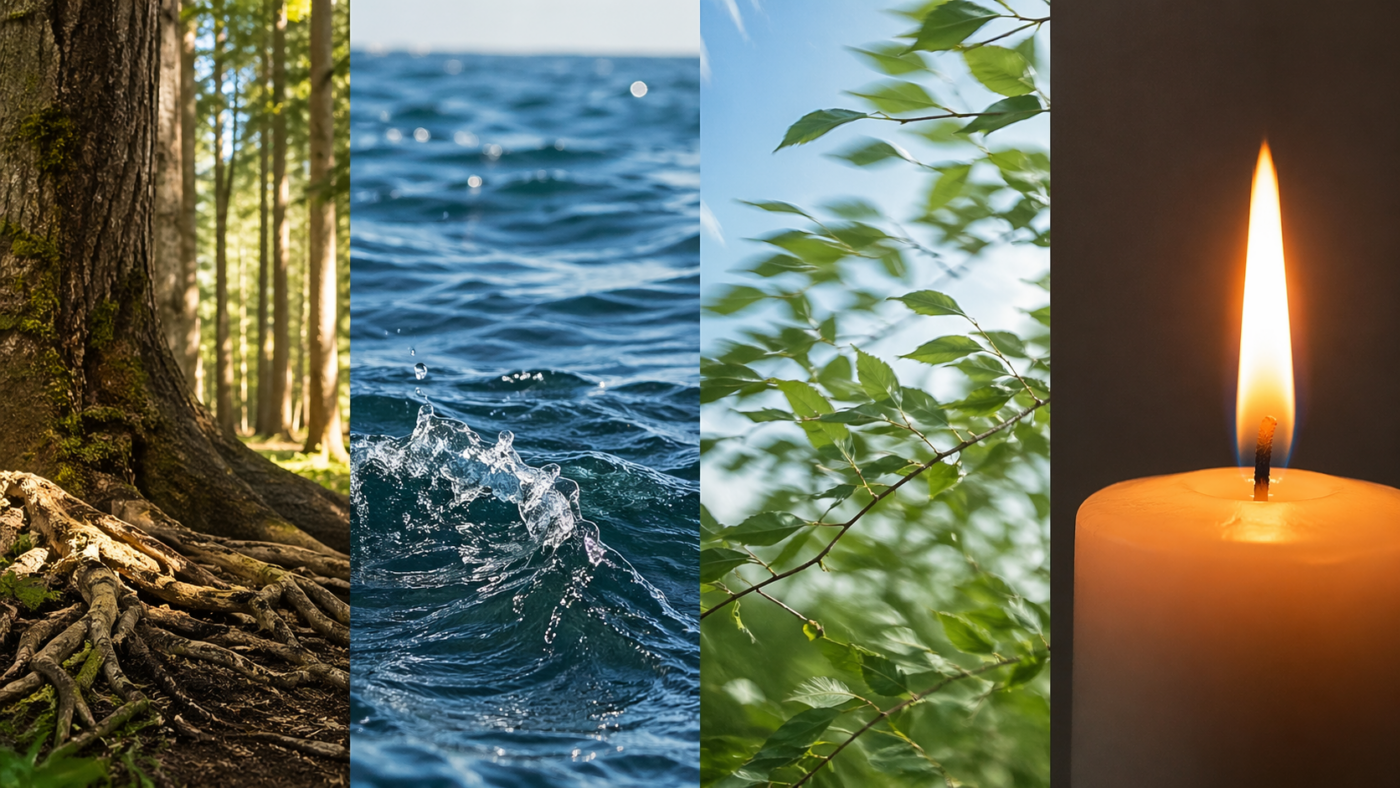
The four primary breath forms used at The Exhale Awakening are named for the elements – earth, water, air, and fire. This is not decorative. Each element corresponds to a genuine quality of experience, and the breath form associated with it tends to access that quality in the body.
Earth is grounding. Water signals safety. Air asks the most of the attention. Fire goes furthest.
Within a single session, these forms are typically layered in sequence — beginning gently and moving toward greater depth. The silence and birdsong between each one are not pauses. They are part of the practice.
every technique sits somewhere on a spectrum
Some breath techniques are settling – they slow the nervous system, activate the parasympathetic branch, and create conditions for rest and restoration.
Others are activating – they raise energy, intensify awareness, and support deeper emotional processing.
Most TEA sessions move along this spectrum within a single hour – beginning in awareness and settling, moving through the elements, and returning to coherence and silence at the close. Understanding where a technique sits on this spectrum helps you know what to expect from it – and what to notice when it arrives.

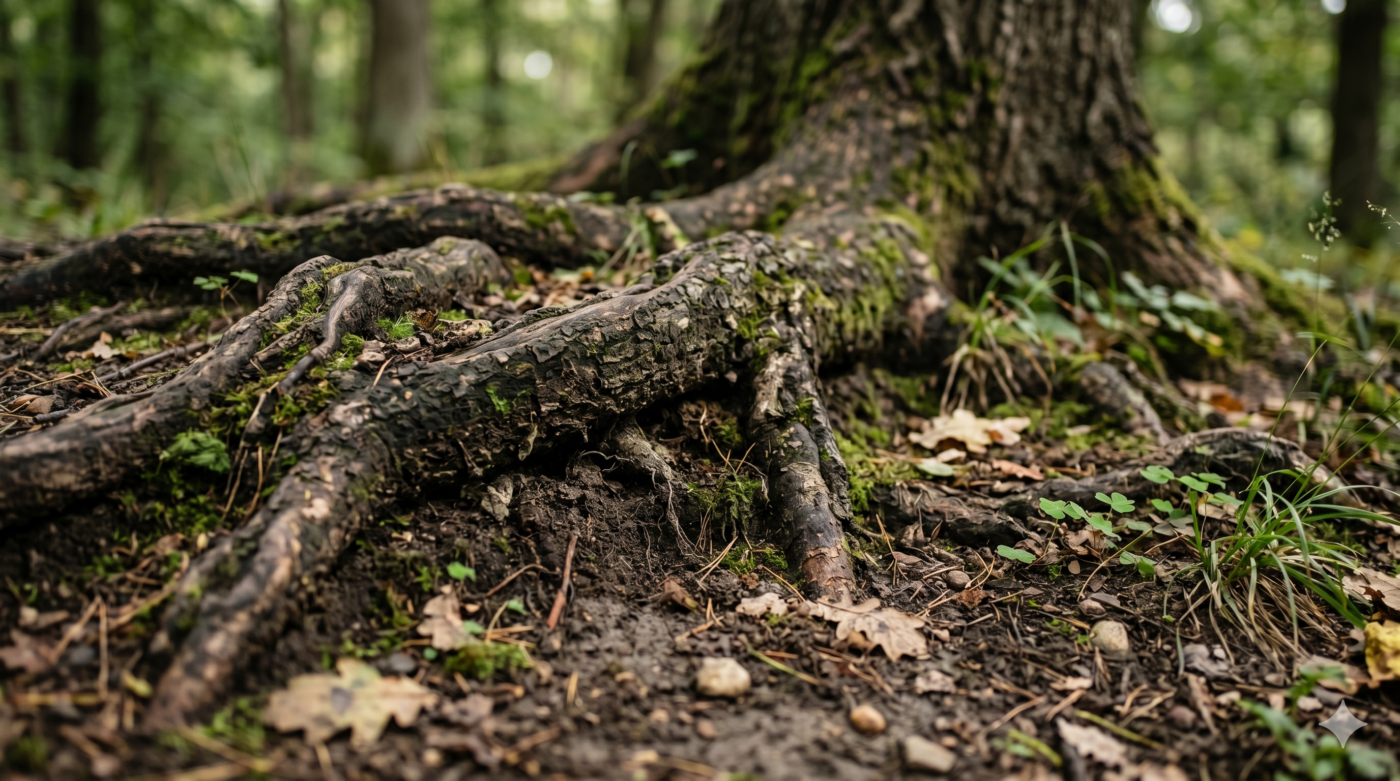
In through the nose. Out through the nose. Connected at the top and bottom – no pause between the inhale and the exhale, no pause between the exhale and the next inhale.
The most grounding of the four elemental forms. Breathing through the nose engages the diaphragm more fully, filters and warms the air, and activates the lower lobes of the lungs where the parasympathetic nervous system has its highest concentration of receptors.
Associated quality: rootedness, presence, the body’s connection with the ground beneath it. Used at: the opening of sessions and the beginning of deeper breathwork sequences.
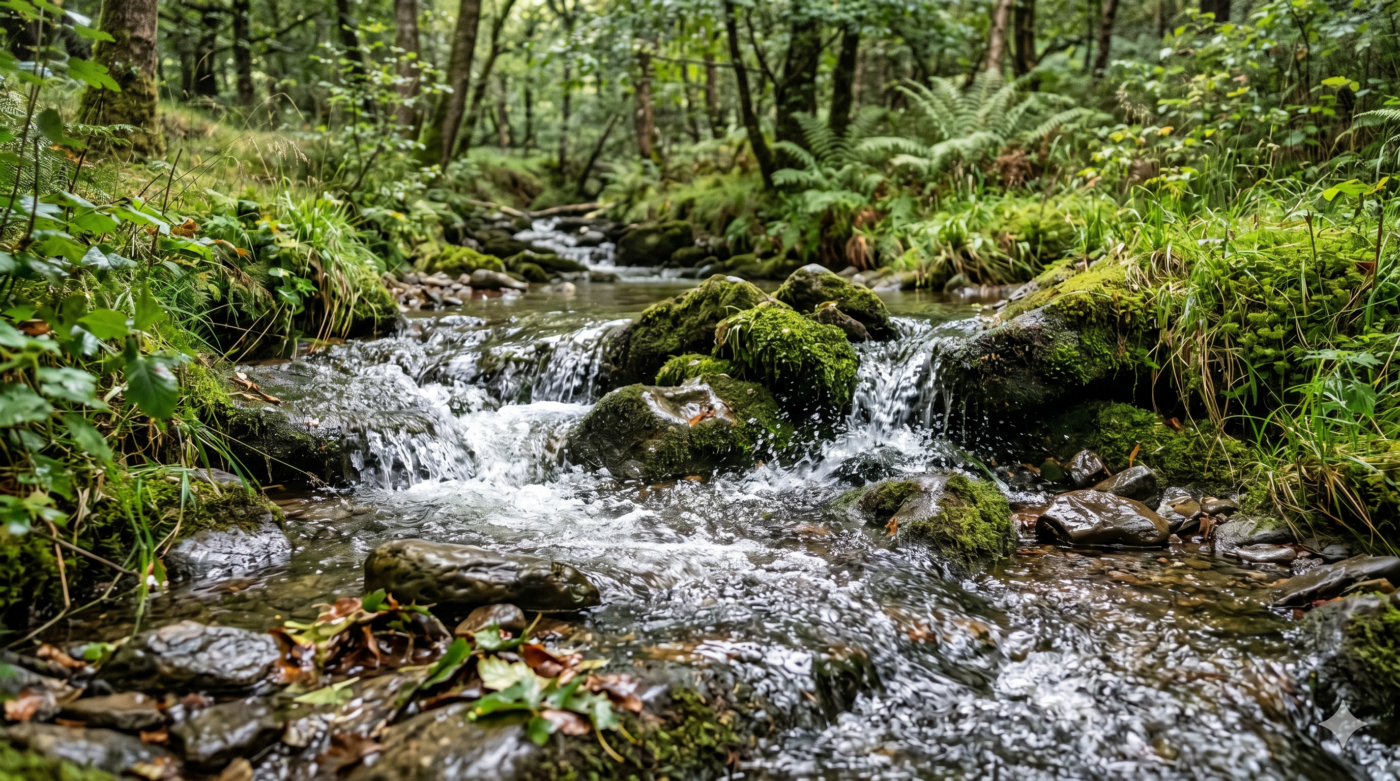
In through the nose. Out through the mouth.
This pattern sends a direct signal to the nervous system that things are okay. The nose inhale engages the parasympathetic pathways. The mouth exhale releases tension held in the jaw and throat.
Water breath is used specifically in moments when emotion is present and moving – not to manage it, but to give the body the message that it is safe to let what is there continue moving.
Associated quality: release, emotional safety, the sense that feelings can pass through without needing to be controlled. Used at: moments of emotional activation, transitions between breath segments, and as a settling bridge.

In through the mouth. Close the mouth at the top. Out through the nose.
The breath form that asks the most of the attention. The action of closing the mouth between inhale and exhale requires concentration – it engages the thinking mind in a way the other elemental forms do not.
This is not a limitation. It is the purpose. Air breath creates a quality of alert, clear attention – present without agitation. It is the breath of discernment, of the considered thought, of the moment before a decision.
Associated quality: mental clarity, focus, the capacity to be fully present with something without being overwhelmed by it. Used at: mid-session, after the deeper earth and water segments have prepared the ground.

In through the mouth. Out through the mouth. No pause anywhere in the cycle.
The traditional conscious connected breath. The most open, the most activating, and the one that tends to go deepest. The circular, continuous pattern changes the body’s breathing chemistry – this is what creates the distinctive effects of conscious connected breathwork: warmth, tingling, altered awareness, and sometimes the surfacing of emotion or physical sensation.
Nothing about this is hidden. In a well-held session, every effect is named before it begins. The natural breath is always available. Nothing requires pushing through.
Associated quality: purpose, depth, activation, the breath that accompanies genuine emotional movement. Used at: the heart of longer sessions, after the body
has been prepared by the earlier elemental forms.

Equal inhale and exhale. Typically around five to six breaths per minute – a count of five in and five out, or whatever balanced rhythm the body finds naturally.
Coherence breathing synchronises heart rate, blood pressure, and nervous system activity in ways that research documents clearly. At this rate, the respiratory rhythm and the heart rate enter a state of resonance – each amplifying the vagal signal of the other.
It is the most settling of the breath forms. Used after deeper or more activating practices, it offers the nervous system a return to balanced ground.
Associated quality: equilibrium, integration, the steady centre after movement.
Used at: the close of sessions, and as a standalone practice for stress regulation and sleep preparation.
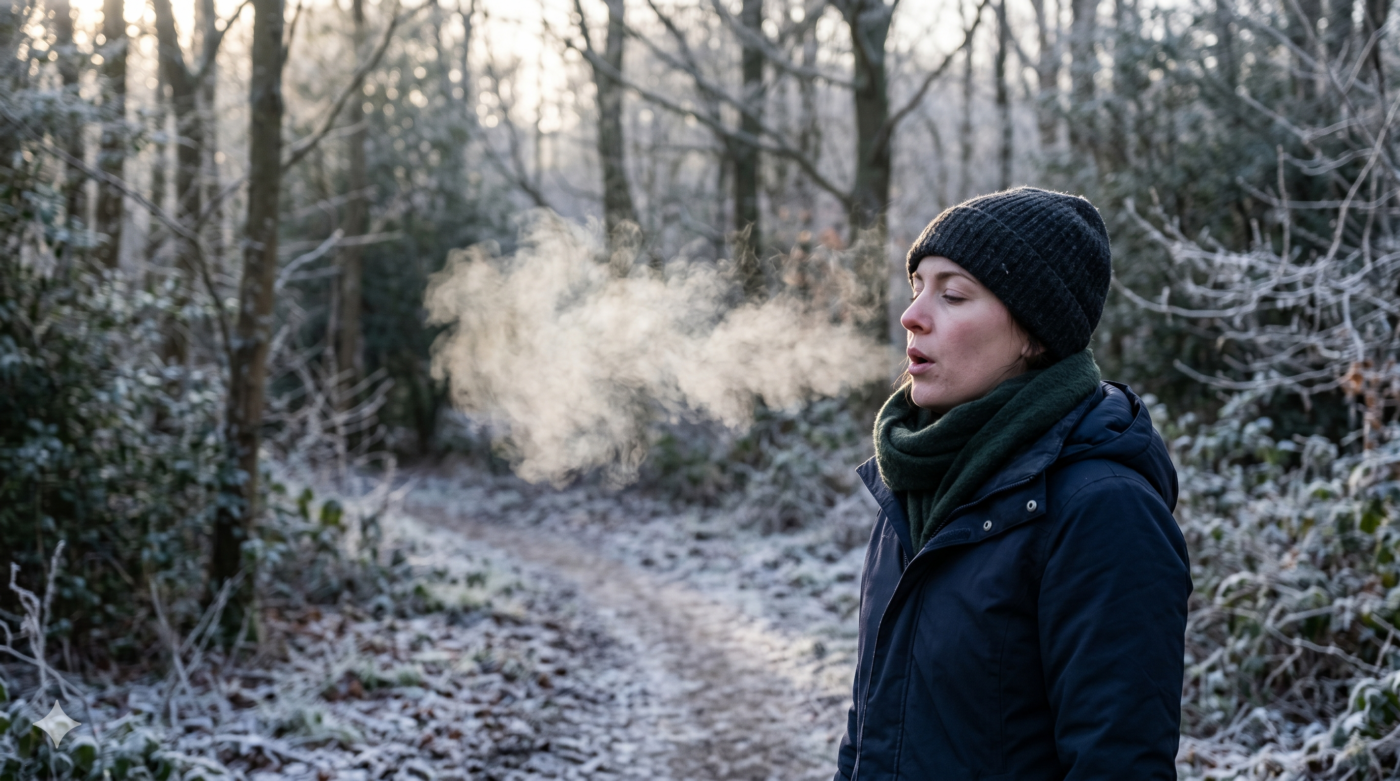
A gentle inhale followed by a deliberately longer exhale. The exhale can be counted – four in, six or eight out – or simply allowed to find its own extended length.
The extended exhale directly stimulates the vagus nerve. It is the body’s own built-in safety signal – the sigh is simply this happening spontaneously. When made deliberate and sustained, the effect on the nervous system is measurable and consistent.
This is one of the simplest techniques in breathwork and one of the most effective for immediate nervous system regulation. It requires no prior experience and can be used anywhere.
Associated quality: immediate calming, the signal that the threat has passed. Used at: session openings, transitions, wind-down practices, and daily life.
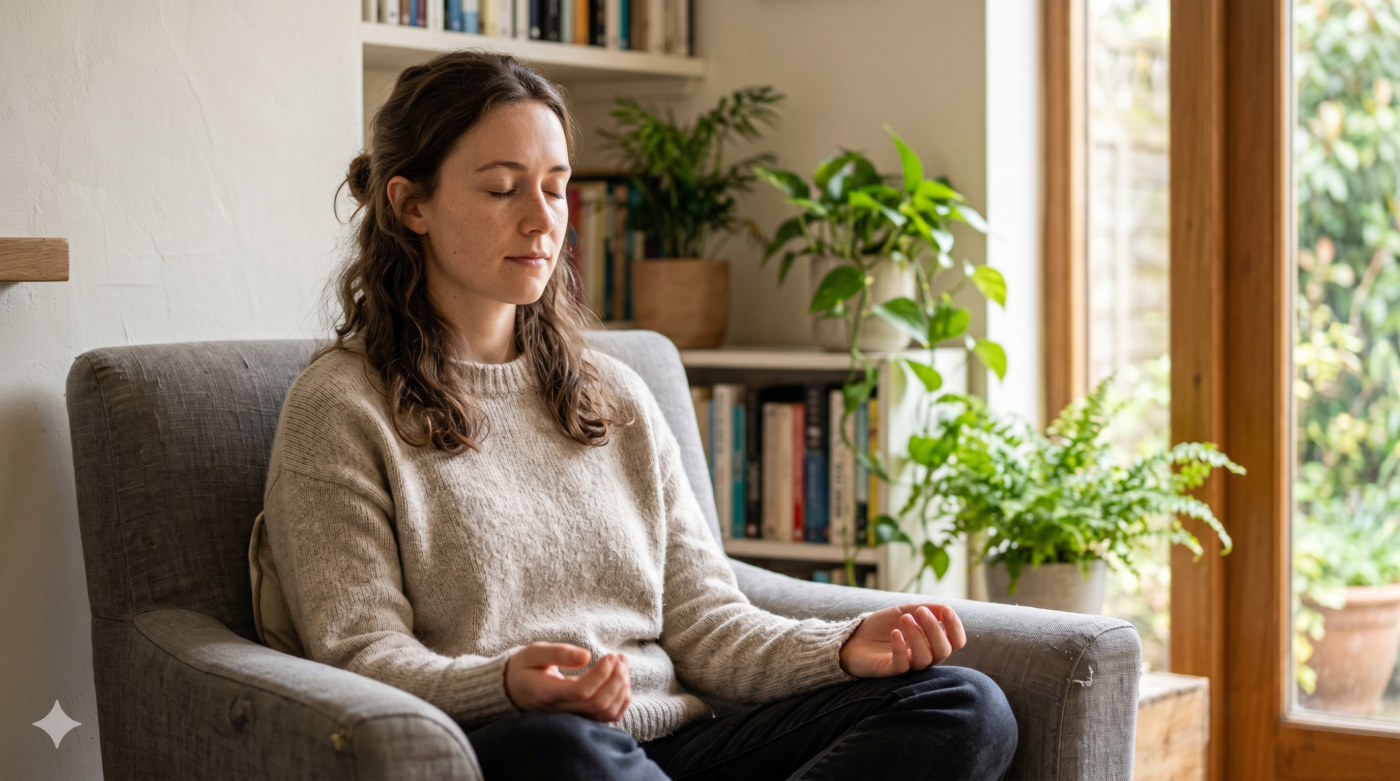
No change to the breath. Attention brought gently to its natural rhythm – where it enters and leaves the body, how it feels, what it is doing.
This is the quietest of the breathwork techniques and the most spacious. Nothing is asked of it except that you notice what is already there.
For a nervous system that has been in chronic stress, the invitation to simply observe without adjusting can itself be unfamiliar – and valuable. Many people discover in breath awareness that their breath has been held or restricted in ways they had not noticed. The noticing, without instruction to change it, is often the beginning of change.
Associated quality: gentle presence, the starting point for all other practices. Used at: session openings and with new participants.

A slight constriction at the back of the throat creates a soft, whispered sound on both inhale and exhale. Sometimes described as a whispered lullaby. The sound is audible to the practitioner, sometimes to others nearby.
The gentle friction slows the breath naturally and creates a soft internal focus point. The sound itself becomes a kind of anchor – something to return to when the mind wanders.
Associated quality: steady settling, inward focus, the quality of being accompanied by one’s own breath. Used at: gentle opening practices and in more rest-oriented sessions.
The Midweek Exhale moves through several forms in a single session —
earth, water, fire, and coherence — woven with silence and birdsong.
Free. Every Wednesday, 7:30pm UK.
This is an invitational wellbeing practice and does not diagnose, treat, or cure any condition. You choose your pace and may rest at any time. If you have medical concerns, please consult a qualified professional.