WHAT IS BREATHWORK?
Conscious breathing has been practised for thousands of years.
Here is what it actually is, what it does in the body,
and why so many people find their way back to it.

Conscious breathing has been practised for thousands of years.
Here is what it actually is, what it does in the body,
and why so many people find their way back to it.
without thinking about it once.
Breathwork is what happens when we think about it. When we choose it. When we use it deliberately and consciously, with some understanding of what the breath is connected to inside the body.
That distinction – between breathing happening for you and breathing chosen by you – is where everything begins.
This mini guide covers what breathwork is, what it does in the nervous system, the different forms it takes, and what to expect if you have never tried it.
There is no assumption of prior knowledge. Begin here.
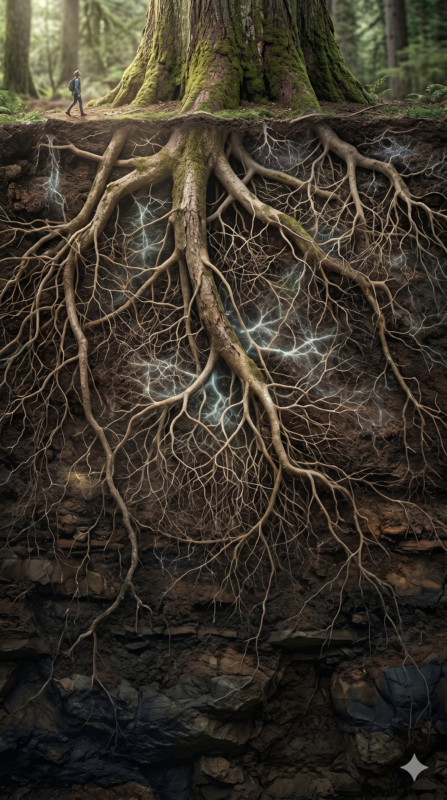
breath is the one place where the automatic and the conscious meet
Most of what the body does happens without us. The heart beats. Digestion runs. The immune system works its long, patient hours. None of it requires a thought.
Breathing is different. It is the only function of the autonomic nervous system, the system that governs all of this, that we can also consciously choose to change.
Every deliberate breath is a direct reach into that system. Not a metaphor. physiology. And it is why breathwork, practised gently and regularly, can do things that thinking or talk therapy alone, however determined, simply cannot.
the body knew this before the research confirmed it
Conscious breathing appears in every major contemplative tradition in the world – Pranayama in the yogic tradition, Tummo in Tibetan Buddhism, the breath prayers of the Celtic and Christian mystics, the healing practices of indigenous cultures across every continent.
The science that explains why it works is modern. The knowing that it works is ancient.
At The Exhale Awakening, both matter. The research is taught alongside the practice. However, the experience always comes first. Understanding arrives as a companion to it, not as the reason to trust it.

breaths taken each day by the average adult – almost all of them unconscious
the measurable improvement in wellbeing after just 10 minutes of birdsong – the nervous system reads it as safety
of the autonomic nervous system – one for activation, one for rest and repair. Breath moves consciously between them.
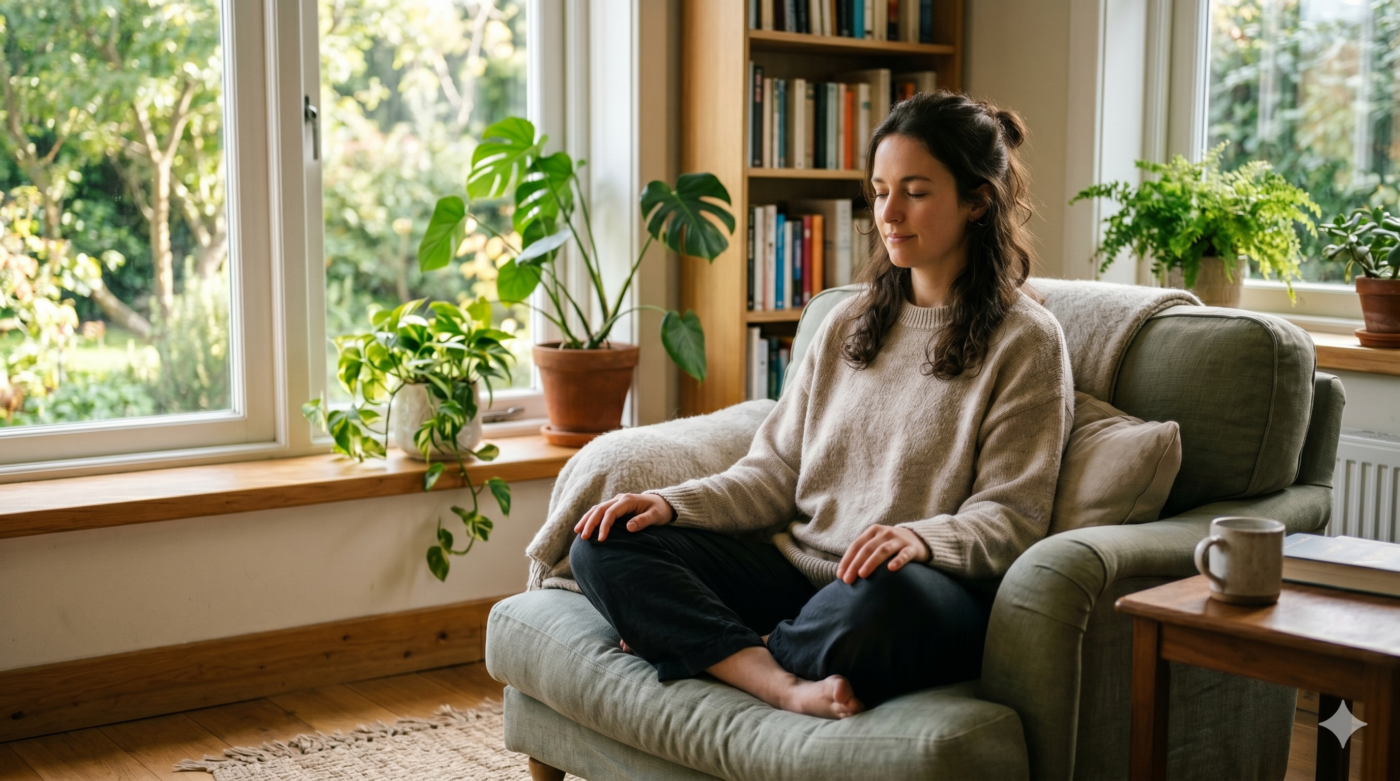
Breathwork is the conscious, intentional use of breathing patterns to support the nervous system, the body, and the inner life.
It is not deep breathing as an exercise. It is not a relaxation technique layered on top of an unchanged life. It is a practice. It’s a deliberate way of using the breath to shift the body out of patterns of stress and into something quieter and more sustainable.
There are many forms. Some are activating – raising energy, processing emotion, clearing the body of accumulated tension. Some are settling – allowing the nervous system to move into rest and digest, building the capacity for genuine rest. Some sit somewhere between the two, moving through different qualities in a single session.
At The Exhale Awakening, breathwork is always trauma-informed, always consent-led, and always gentle. Nothing is forced. The breath is an invitation throughout, not an instruction. You choose your pace. You choose your depth. The only rule is to be comfortable.
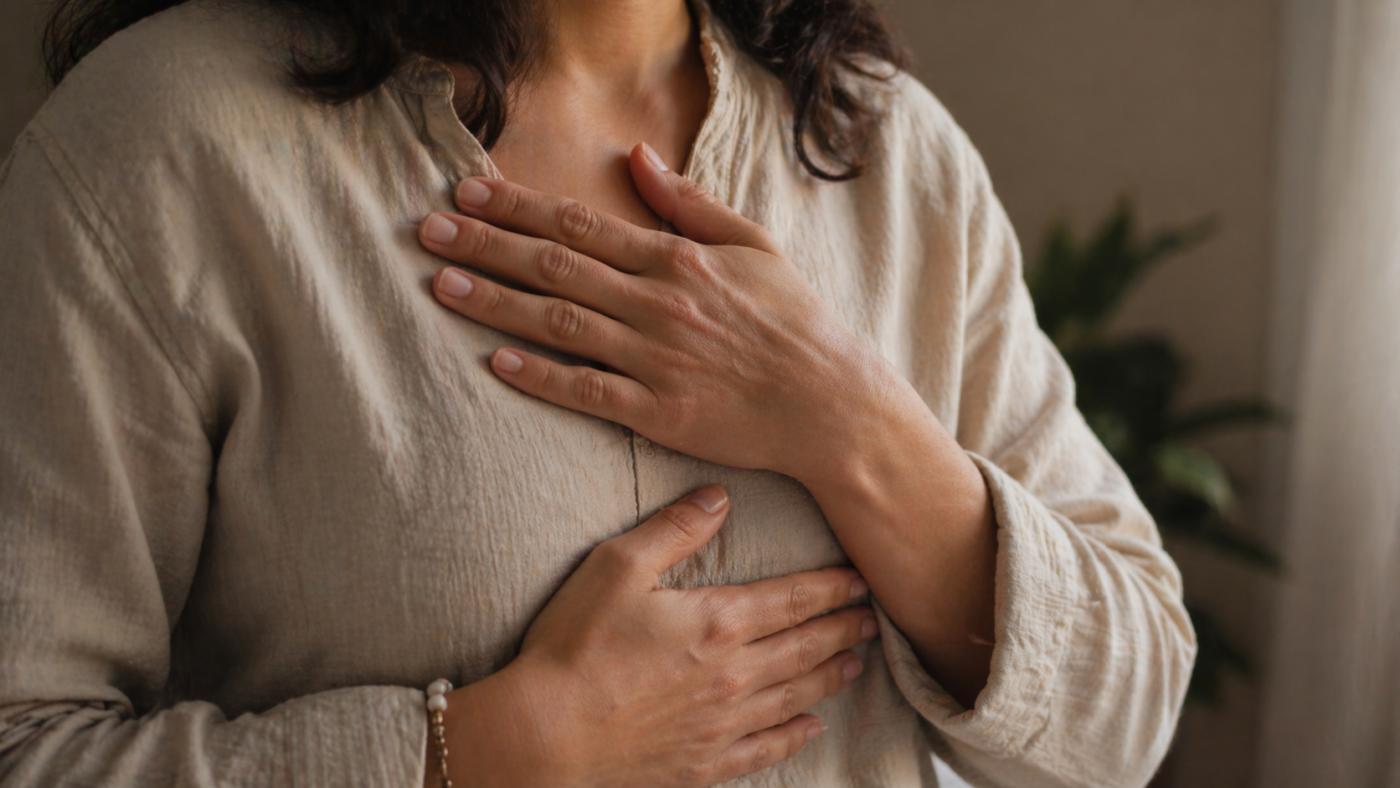
The breath sits at the exact junction of the voluntary and the involuntary nervous system.
When you slow the breath, extend the exhale, or engage in a circular connected breath, you are sending a direct signal to the part of the nervous system that governs stress, rest, and recovery.
The vagus nerve – the longest cranial nerve in the body, running from the brainstem through the heart, lungs, and gut – is the primary carrier of this signal. A slow, full breath, in particular a longer exhale, stimulates the vagus nerve directly. This is one of the most well-replicated findings in psychophysiology.
The result, over time and with regular practice, is not permanent calm. A well-regulated nervous system is not one that never activates. It is one that can rise to meet what comes and return to ground. Breathwork builds that capacity as a muscle.

A TEA breathwork session interweaves silence and birdsong throughout.
Not for atmosphere but as a deliberate, though unconscious, signal to the nervous system that it is safe to arrive.
From there, the session moves through different breath forms – breath awareness, diaphragmatic breathing, conscious connected breath, coherence – each one separated by silence. The silence is not empty space. It is where the body does its quietest work.
You may feel warmth, tingling in the hands or feet, a sense of lightness, or the surfacing of emotion. These are normal physiological responses to changing the chemistry of the breath. Nothing is hidden or left unexplained. Transparency is part of how TEA holds this work.
You can lie down or sit. You can return to your natural breath at any moment. Nothing is required of you beyond arriving and being willing to notice what is there.
The Midweek Exhale is free. Every Wednesday, 7:30pm UK.
No experience needed. Just arrive.
If you are wondering whether you might one day teach this, a quiet conversation is a good place to begin
This is an invitational wellbeing practice and does not diagnose, treat, or cure any condition. You choose your pace and may rest at any time. If you have medical concerns, please consult a qualified professional.